Ok, quick shoutout to y’all: parents, elders, folks caring for vulnerable ones, teachers, students, and those in isolation away from their loved ones; everybody transitioning to working at home, and those on the front lines: from farms to trucks to docks to cashiers; medical folk; those in or caring for prisoners; and everybody in between. I’m so touched by your consideration for others, your resilience, good sense, kindness, and humor as you create and sustain community, on and offline. May you be safely ensconced and remain healthy, and may you know only prosperity, abundance, and love. You are awesome and amazing!
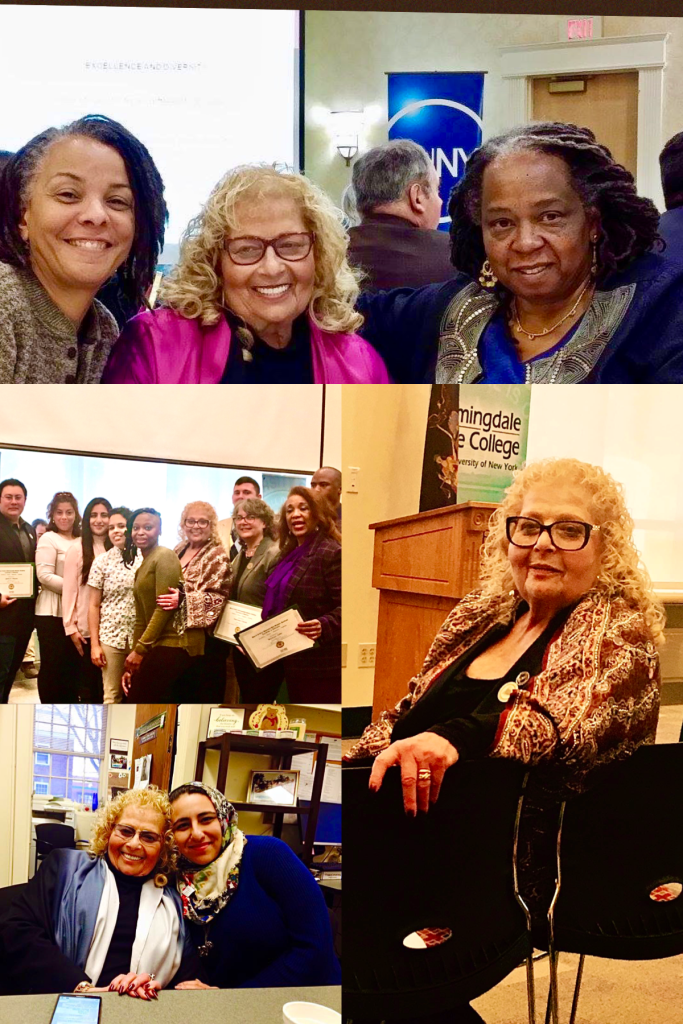
Today we lost our former Chair of Sociology and Anthropology, the creator and Director of the Social Science Research Center, as well as the only course on Social Justice at the college. She was the person who hired me and one of the most inspiring, frustrating, generous, boundary breaking people I’ve known. A mensch, a nudge, a macher, and meshuga. She drove me crazy as a new hire because she had no boundaries when she liked someone, calling at 10 PM on weekends, insinuating herself into areas that we introverts prefer to keep closed. I can tell you that it was more than concerning that she had such little regard for certain proprieties, and we banged heads often. But my determination to be respected and to protect others when I thought she was wrong won not only her respect, but her trust because she knew that I’d never lie to her or go behind her back. Anything I had to say, she heard it first, and because of that, I became a sounding board for new ideas and rants. There was a closeness between us that weathered the ups and downs, so when she called to say she needed me, there was no question that I would do my best to be there for her. Mimi was incredibly generous to students and took many a stray under her wing. A staunch defender of students and underdogs, she was also a skilled political animal who knew how to work the system to get what she wanted to make the world better, as she understood it. She had a hand in almost every program at the college that connected to human & civil rights, the environment, and mental health initiatives. Our relationship was complex and sometimes fraught, but I knew that her deepest wish was to see a world where no one went without, and where every human had access to the tools and support that allows them to flourish. When she knew that she had hurt someone, she was genuinely contrite and humble in a way that has become too rare in our superficial world. She was not a perfect being, but she was divinely human in her passion, determination, fierceness, and love. Mimi could write the most flowery compliments and drip honey covered words of appreciation and encouragement with the same mouth that would curse like a sailor and cackle with glee if you were shocked by it. I think she enjoyed her own contradictions immensely and amused herself by being herself. She admired and loved her children, adored her grandchildren, and created extended family with every semester and each batch of new students. She was loved by many, from the maintenance staff to the people at the highest levels of SUNY. It was quite fitting that our President went to her hospital room and bestowed the college’s highest honor, the Farmingdale State College Distinguished Service Award. Mimi was first woman and only the seventh person to receive this in the College’s 108-year history. Although she would say that such honors were unimportant, in reality she was quite proud of herself, and deservedly so. On a recent visit, I told her that if SUNY ever completed plans to build a Social Science Hall at the college, it should be named for her, and without hesitation she nodded in agreement. She earned every honor she received and was that rare woman who knew her worth.
On the last day that I saw her, she was small and radiantly beautiful, despite the intermittent pain that came between the morphine drips. Without makeup and her hair pulled up, her exquisite features and lively eyes were clearly exposed. Unable to sustain conversation and losing the desire to eat, it was painfully clear that the end was not too far off, even though anyone who knew her also expected that she would somehow turn around and make a complete recovery. But on that day she was tired and angry and frustrated with these new limits. Taking her hand, I tried to soothe her, acknowledging the frustration I saw in her face and trying my best to reassure and joke with her. It then occurred to me to ask if she would like me to curse for her, and her eyebrows raised, first in surprise, then in pure delight as I let out a string of curses appropriate to the moment. I cursed her current “enemy”, calling her “The demented and evil daughter of a diseased vagina.” That remarkable pronouncement elicited a look of complete surprise that quickly turned to mirth and laughter that shone from her eyes. Squeezing my hand, she whispered “Bitch, bitch, bitch” and seemed deeply satisfied with herself and the whole exercise. The very gentle work friend with whom I’d ridden for this visit managed to put away her own shock and joined in, asking if Mimi would like her to “say the C word,” much to Dr. D’s delight. She grew tired after that, but looked satisfied and peaceful, and we soon made our way out of the ICU. It was the last time I saw her, as my own medical issues prevented my next planned visit, but her beloved cousin read my texts to her, so she knew that we were thinking of her and that the students she was concerned for wouldn’t be abandoned. I’m told that she had a gentle passing and had been relieved of her pain. I believe in reincarnation on most days, so I hope that she gets some well deserved rest before she comes back to finish whipping the world into shape. You touched many, many people for the better, Mimi, and you gave the college a conscience that it sometimes lacked. You fought the good fight till the very end and we are all the better for having known you. Dr. Miriam K. Deitsch: Presente!
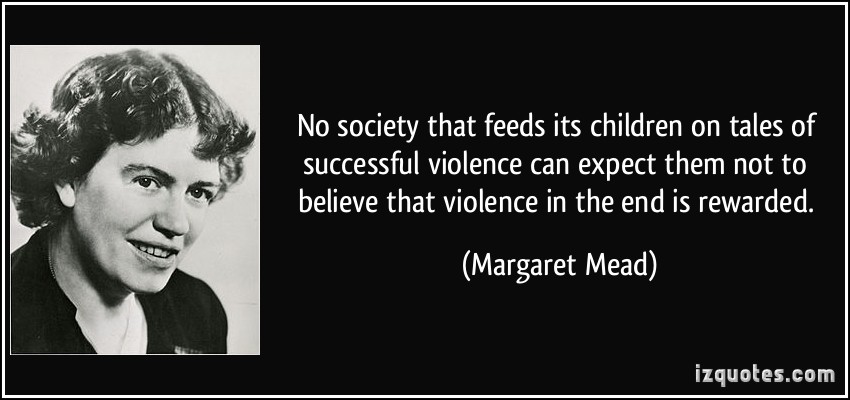
It isn’t just physical, although Americans often seem only to recognize violence in that form. Poverty and hunger are violent. The forced or coerced suppression of sexual identities is violent, as is the suppression of and lack of reward/recognition of the arts and artists. Words can also be violent.
Racism: seriously violent in all of its forms.
Sexism/misogyny: violence
Ethnic hatred (anti Semitism, anti Muslim, anti Indigenous, anti Latino/Pakistani/Palestinian/name your group, is violence.
Fear of/animosity towards disabled people or those with mental health problems isn’t just messed up, it’s violence.
The perpetuation of racist, homophobic, and sexist stereotypes and tropes via all forms of media, texts, films, and art equals violence.
These forms of violence aren’t passive or unimportant. They have moral, ethical, and social implications and real world, practical effects. They result in redlining, blackballing, disenfranchisement, inequality in pay/opportunities/expectations, and a lack of support. They create and uphold poverty, depression, and other forms of repression and oppression.
They shorten the lifespans and lower the quality of life of those living with these forms of violence, and often result in serious physical harm, both directly and in insidious ways over time.
Violence isn’t just the cudgels, knives, and bombs. It’s the will to harm, via a multiplicity of actions and inactions that are institutionalized in every section of society. It’s also the denial of harm towards others and all of the emotional and psychological damage that denying reality causes to the victims of such social and spiritual violence.
Violence is a pervasive yet often denied part of our cultures and society, and so long as we mislabel non-physical assaults as “peaceful” we will continue to have a society of injustice, hatred, and fear.
Watching Cabaret for the first time in a long while.
The “African safari”scene (“Tomorrow Belongs to Me”) was always disturbing with its juxtapositions between the sweetly singing Brown Shirt Hitler Youth, the menacing threat behind it, and the enthusiasm so easily enlisted among the audience members. It encapsulates the dormant-until-triggered, but ever present white supremacist ideology as potential and inevitable violence.
Particularly chilling in this era of history repeating.
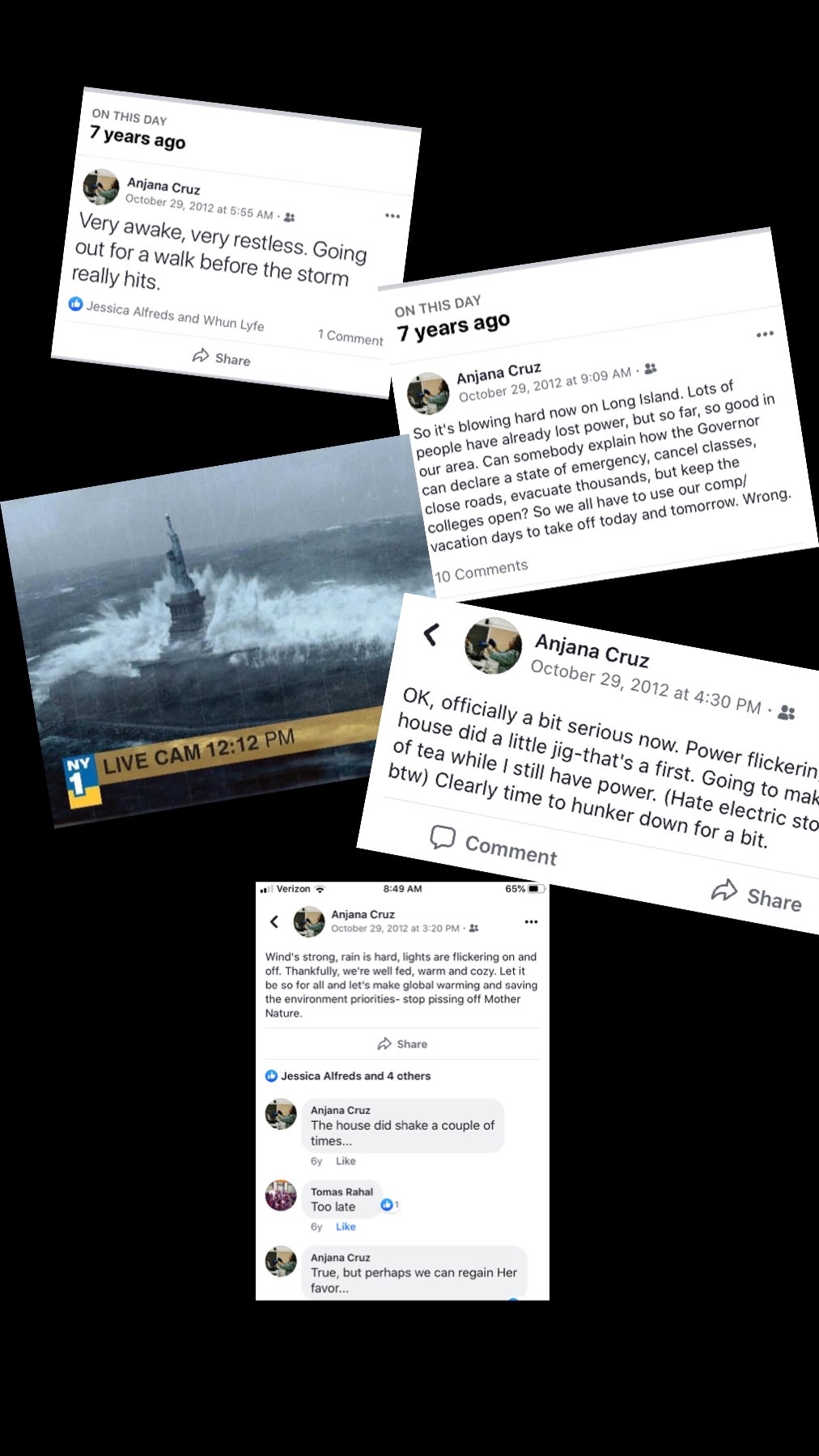
When I wrote these, we had NO idea what was about to happen or how many neighbors, colleagues, and students would suffer. Many have yet to fully recover, structurally or emotionally.
Just last week a student mentioned working at Ruvo in Greenlawn and I sent my thanks and regards to their chef. They were quickly functional after the storm, and their daily soup, reheated over a candle warmer and with our little bbq, were the only sources for food and warmth for several days. We couldn’t drive out of the area because of the downed wires until all of us neighbors pooled money to get what was needed and pay a neighbor who worked for a utility company to get a cherry picker to reach the box and turn the power off.
We had each other, a safe structure, and are always reasonably prepared, so fortunate, but it certainly increased my empathy for others then and the victims of the increasingly frequent “super storms” and other disasters tied to climate change.
Ok, I’m still in my first “Years of I told you so” and too many things have been sticking in my craw and must come out now even though it’ll make no difference to youz because people just sit around wringing their hands and intellectualizing rather than doing anything. However, it will make me feel better and maybe decrease that lump in my craw. Yeah, unfriend me, tomorrow’s a new year anyhow 🤷🏽♀️ (Shana Tovah, btw.)
1. I told everyone that he was illiterate in 2015, 2016, 2017. Actually illiterate, not merely unread. Ya’ll thought that just couldn’t be, that you knew better. Phht!
2. Other NYers and I told folks that he ran a criminal enterprise & was mobbed up. Blank stares.
3. In vain I tried to tell anyone who would listen that he doesn’t pay debts, is petty, small minded, and vengeful, and likely suffering-no, making US suffer- the effects of tertiary syphilis/dementia. Ya’ll thought that was exaggeration. Tchp.
4. I told you that there are two reasons Repubs/Congress wouldn’t ditch him:
A. They’re getting rich(er)
B. A number of them were connected to improprieties and therefore subject to pressure
5. Americans are passive and afraid to challenge authorities because most of them buy into the false hope that they can become part of the upper class. (I blame the dismantling of class awareness in the 80s that included Reagonomics/trickledown theory, the media promotion of shows like Lifestyles of The Rich & Famous, and the Martha Stewartfication of the household & centering of malls & mall mentality over traditional downtown areas, but that’s a whole other book you’ll have to purchase)
6. Told ya that he was a racist and lier. Reminded people of The Central Park Five & his connections to Roy Cohen.
7. We ALL told yuz that he was a bad businessman, but the idiots who watched tv and had for years been bamboozled into the idea of corporate salvation shut their eyes and ears and loudly hummed a tune that the piper wrote. (And yes, that makes you children or rats)
8. Word to the at-least-not-terminally-stupid: if a candidate isn’tsupported in their home state, ya probably shouldn’t trust them. Just sayin’. 🤷🏽♀️
9. Oh yeah, remember when I told you that I thought Rudy wanted revenge and to take him down and everybody laughed at my “foolishness”? (2021 update: even I underestimated how insane Rudy is- damn!)
So, don’t like my presentation? But guess what? I’m right.
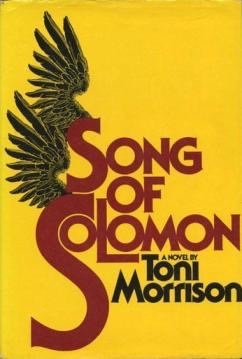
I think it might annoy her that I cannot fully explain the profound effect that each of her books has had on me. How to explain that Beloved resonated so strongly that I experienced a form of PTSD, reading and digesting it by chapters or partial chapters so that it took months to read it all. I knew those ghosts so intimately that I wondered how it could be that she was “singing my life with her words.” Could it really be only a coincidence that my childhood address was 124? I admit that I’ve never seen the movie and never will because I have no interest in anyone else’s interpretation of this awakening.
Through her and a host of other (mostly) Black women writers, I came to a more nuanced, often cuttingly sharp understanding of our connectedness through our shared histories and humanity. She read and spoke my heart when she posited that we are always interesting; that love is complex and sacred; that we must write and speak our own stories.
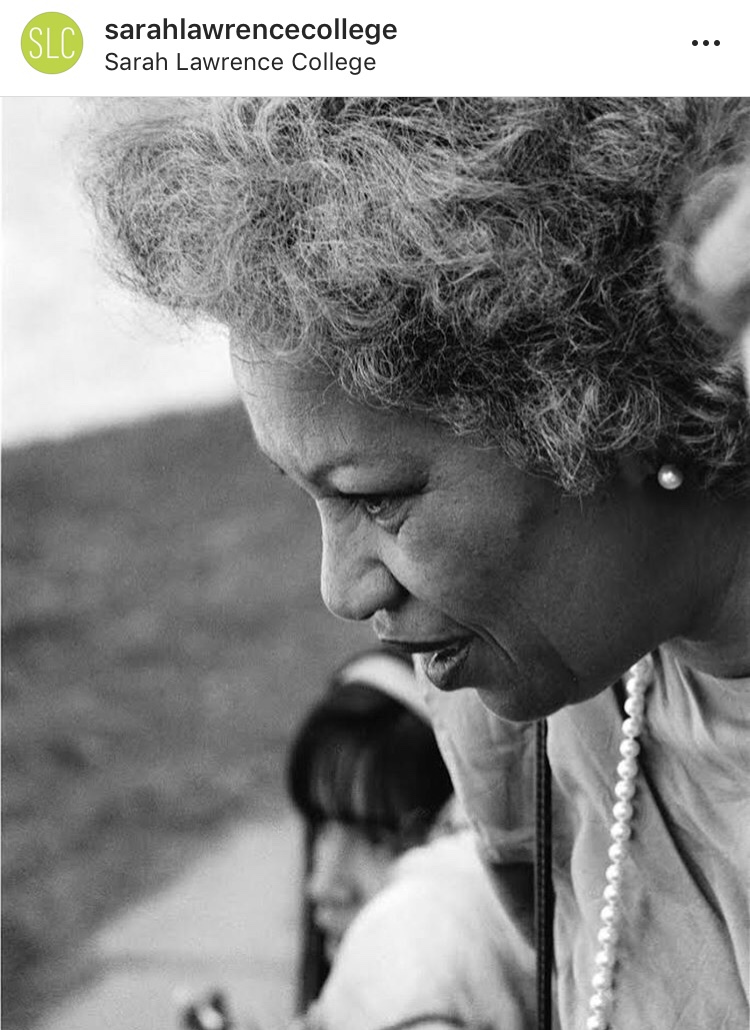
This is my favorite Toni Morrison book, (if one can even choose among her painfully exquisite offerings to the world) and when I met her at Sarah Lawrence College in 1988, she challenged me about “why” in a way that no one previously had interrogated me about anything I thought or felt. She quietly confronted me, right in front of the group of students who were invited to meet her, requiring that I shine a ruthless eye on my thoughts and feelings and not settle for the easy or false enlightenment, nor write before I better understood how my perceptions were influenced by personal and US history. She noted that for an intelligent woman and aspiring writer to do less was moral cowardice. She forced me to reckon with what courage- from the heart-really means. It hurt. I grew.
I wish that I had a photo of that encounter, and perhaps there is one somewhere in the bowels of my college’s photo archives. I would love to see her piercing eyes sending the strength of her words straight into my soul. I’d love to see my body’s presentation of the shock and awe that I remember feeling. I wonder if the lens captured any of the depth of those relatively short minutes of a brief, deeply meaningful encounter that continues to inform and inspire me. Having been raised in the art of bodily self control, I’d bet that only my widened eyes conveyed any of what felt like an hours long police interrogation under bright lights. Perhaps an auric reader might have seen my soul shift to a new level of maturity. Maybe the other people present noticed that I staggered away in shock, but I doubt it, because Toni Morrison skewered me without leaving a mark or any trace of blood. She entered through my skull and went straight to the heart, like an expert charcutier, cutting away the fat and dross, leaving my generally loquacious inner voice with not a blessed word to say, but a whole lot of reckoning to do. It was years later that I understood that bybeing provocative, she was also asking to be challenged, not just venerated.
She was indeed a gift, a blessing, a razor sharp sword: the voice of the Ancestors reuniting us with our natural selves, providing the medicines for our long healing.
Thank you, Ms. Morrison for the love. May you rest in the peace and power that you so richly deserve.
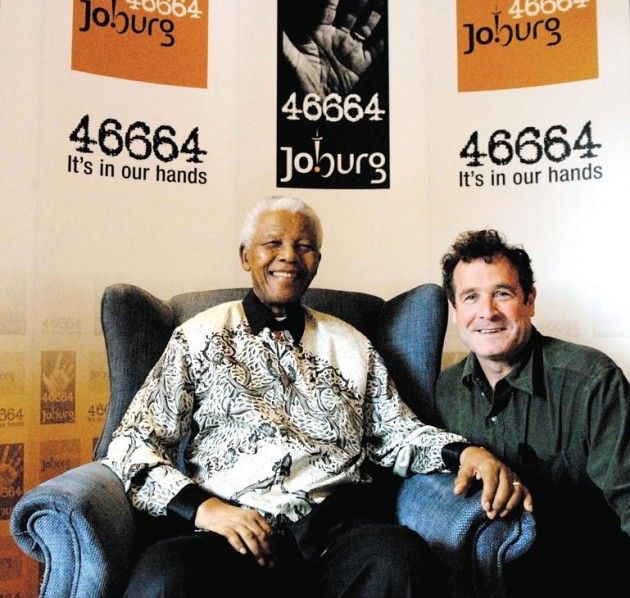
Johnny Clegg’s music marked a very special period in my life and has connected me to lifelong friends. I was saddened to learn of his death at the relatively young age of 66.
I’d been introduced to his story and music with Juluka during my first year of graduate philosophy at Rutgers by my classmate and friend, Sarah.
Later, when I transferred to anthropology at UVA, my very first outing in Charlottesville was to a Johnny Clegg concert. Sarah was visiting, and we were thrilled to be able to catch them at small venue like Trax. I was new to the area and anthropology, missing my NY/NJ life, and ready for good music and the good vibes Savuka invoked among fans.
My expectations went awry as this happy outing was where I was also embroiled in my first and only barroom fight. As Johnny and Savuka sang about racial harmony and peace, I found myself fighting off a humongous, belligerently drunk blond woman who tried to push us out of our front row spaces.
In one of the more surreal moments of my adult life, I watched as the band’s eyes grew larger and two bouncers moved toward us. After a series of flirtatious moves with a member of Savuka, I also watched helplessly as my friend’s hopes of hanging out with the band went down in flames. It was a memorable night for us and for years afterwards, I harbored a hope of running into Mr. Clegg and explaining to him why my face seemed familiar.
Living in married graduate student housing and later renting a house in the Fifeville section, I played hostess to an assortment of wonderful students and locals and dancing to Savuka was pretty much a daily ritual. Dances learned from Donna Graham at Chihamba were adapted to Johnny Clegg songs. Friends courted loved ones to Dela and African Dreams, we invoked Third World Child , One Human One Vote, Warsaw 1943, and other political numbers as we waged our own battles against racial, class, and gender discrimination. The music was part of the fabric of our lives and we considered Johnny to have been “a white boy anthropologist who made good: a man who tried to live his values in difficult times, insisting on recognizing the humanity of all people and being willing to face being banned for his antiracist work. Honorable.
Asking forgiveness for my poor Zulu, with a sad heart and gratitude for the music I say:
I was fortunate enough to have had my father in my life for a little more than fifty years. My Dad was the kind of father who would get down on the floor to play with his kids. He did Cossack dances around the house, sang sad and silly songs, told really funny and really corny jokes, brought us bubble gum at the end of his work week, and played rag time piano. He struggled with us (certainly me) through math classes, taught us all to play poker, box, and skip rope. He taught my sister and me to waltz, and retained Victorian-like, romantic ideas and attitudes of courtliness and honor.
My Pop was fiercely clannish in the best sense, hard working, athletic, and tenacious. He dreamed of having a Kennedyesque compound, with all of his family and other loved ones close, sharing, helping, and protecting each other. When I was very small, before he could afford a car during the hours the bus didn’t run, he walked back and forth between Jersey City and his job in Bayonne (5 miles each way.) Providing for, and keeping his family together was central to his being.
He seldom attended church but held strong beliefs about honoring parents and holding God in awe. He taught me to always fight fairly and never throw the first punch, a stance that cost me dearly during the street fights of my childhood. He was mostly self-taught and retained a positivist belief in self and home improvement, remaining active until he was about ninety.
I was completely devoted to him as a child and thought he was the most brilliant man alive with his adherence to scientific method and home-made chemistry lab. He taught me to believe that I was smart and could learn/teach myself anything into which I was willing to put time and energy. As a teen, we struggled because of my difficulties with algebra and developing interest in boys, but he was always protective: a reasonable and considerate father, and I always knew that he loved me even when I thought he didn’t understand me.
We played piano duets, watched science fiction movies, played simple games of chess, discussed politics and art and music and science and architecture. He taught me how to order at a restaurant if I was alone- a seemingly small thing-but for a shy girl, a gift that allowed me to travel independently. I was taught how to use tools and treat them with respect, to change a tire, and some basic plumbing. He often called me “pixilated”, recognizing that I was dancing to a song unheard by others, and he did his best to prepare me for the practical world he knew would invade my artistic, sometimes dreamy world. He was a bit less successful in this than in other endeavors, but his love continues to shore me up as I dance gingerly through an often harsh reality.
He was a good man and it is my sincere pleasure to wish all of the good fathers and fathers-to- be a wonderful and Happy Father’s Day today.
When considering student debt, people seem not to understand that the average person starting graduate school is a nearly 40 year old woman. There are far fewer grants for grad school than scholarships for undergrads, so most people take out loans. In fact, even in colleges now, “student aid packages” are predominantly based on loans unlike any others. They cannot be claimed in bankruptcy proceedings and the current administration has almost completely eliminated debt forgiveness proceedings for teachers and other public servants who were eligible for debt release after ten years of service and payments.
Given the age of most graduate students, many are likely to have children and are often single parents trying to return to the workforce or improve their earning power, but those earnings are often unlikely to allow them to pay off those relatively high interest debts and support families through their education. Heaven forbid that they also incur medical loans or try to purchase a house rather than pay continually increasing rents!
Historically, debt forgiveness is not a slippery slope into anything other than boosting the economy, in spite of the histrionics I see in comments regarding Elizabeth Warren’s recently stated platform. (And no, I’m not crazy about her or anyone else right now, but her platform isn’t far fetched and is in fact, in line with many of the world’s wealthy, “developed” nations)
So the REAL questions should be:
Why are education costs in the US such that only the wealthy can afford to be educated?
Second to that is why do Americans allow their hard earned tax dollars to be used to forgive the debts of banks and multinationals, but fight to maintain their own positions as indentured workers?
Why do so many Americans fight against union benefits that help every worker rather than fighting for their own ability to bargain?
And why does a country that’s falling behind in education undervalue liberal arts? We had one of the best educational systems in the world when those subjects were part of the general curriculum, including at the best technology colleges, such as MIT. It’s pretty simple: if I can read, write, and have a decent grasp of critical thinking, math and science, I can pretty much learn everything else (given an aptitude and willingness to work) and communicate with others across disciplines.
Sadly, I have some ideas about the above “whys” but I can only hope that I’m wrong because if I’m right, it means that too many Americans are stupid, mean spirited, and ignorant about how the systems under which they spend their lives actually work, or their real positions within society.
As working people we have more in common with one another than we do with the 2% richest or even the legislators who are supposed to represent our interests but too often use their political terms to enrich themselves at our expense. We don’t have to like each other or agree on everything, but we sure as heck need to stop fighting each other in ways that keep us all down.
Stop acting like crabs in a barrel, people. Raise each other up: in that way, everybody benefits.


 It isn’t just physical, although Americans often seem only to recognize violence in that form. Poverty and hunger are violent. The forced or coerced suppression of sexual identities is violent, as is the suppression of and lack of reward/recognition of the arts and artists. Words can also be violent.


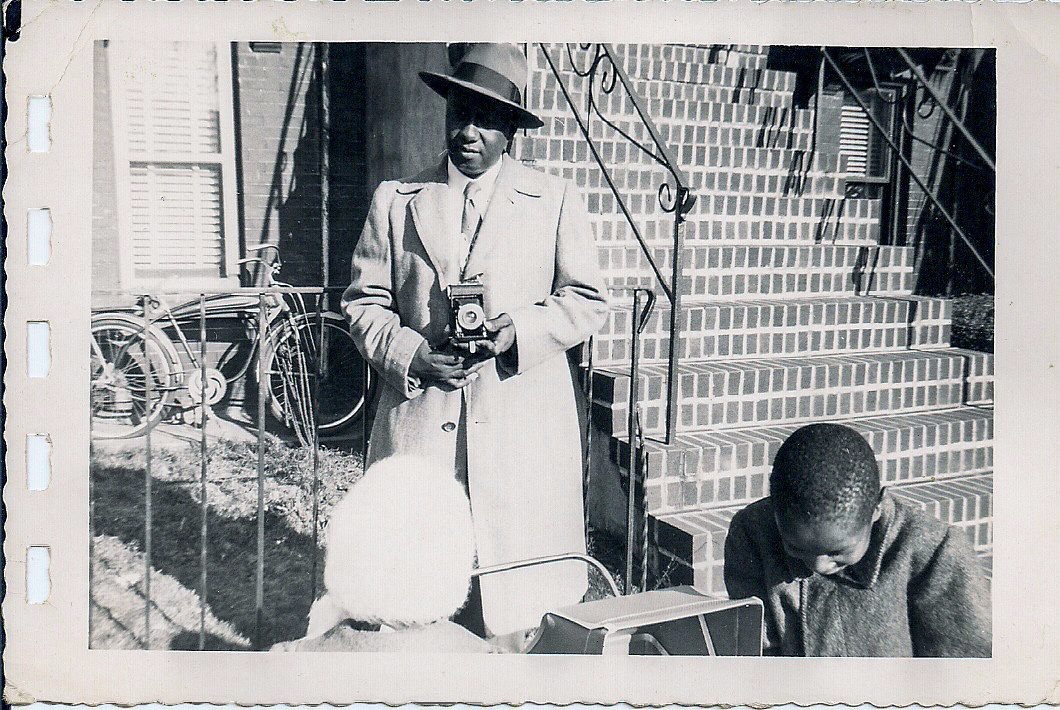 I was fortunate enough to have had my father in my life for a little more than fifty years. My Dad was the kind of father who would get down on the floor to play with his kids. He did Cossack dances around the house, sang sad and silly songs, told really funny and really corny jokes, brought us bubble gum at the end of his work week, and played rag time piano. He struggled with us (certainly me) through math classes, taught us all to play poker, box, and skip rope. He taught my sister and me to waltz, and retained Victorian-like, romantic ideas and attitudes of courtliness and honor.
 When considering student debt, people seem not to understand that the average person starting graduate school is a nearly 40 year old woman. There are far fewer grants for grad school than scholarships for undergrads, so most people take out loans. In fact, even in colleges now, “student aid packages” are predominantly based on loans unlike any others. They cannot be claimed in bankruptcy proceedings and the current administration has almost completely eliminated debt forgiveness proceedings for teachers and other public servants who were eligible for debt release after ten years of service and payments.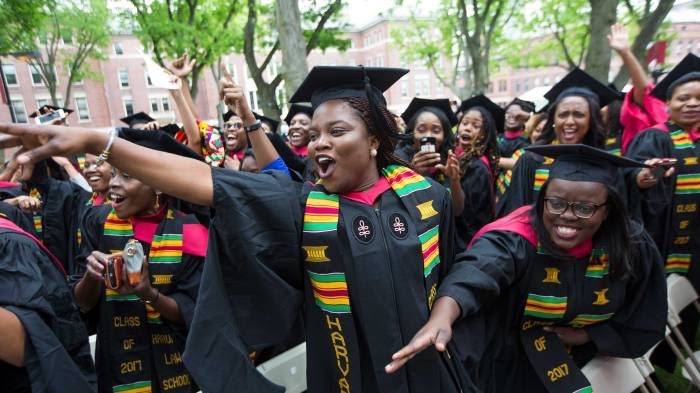
 shamamaspeaks