
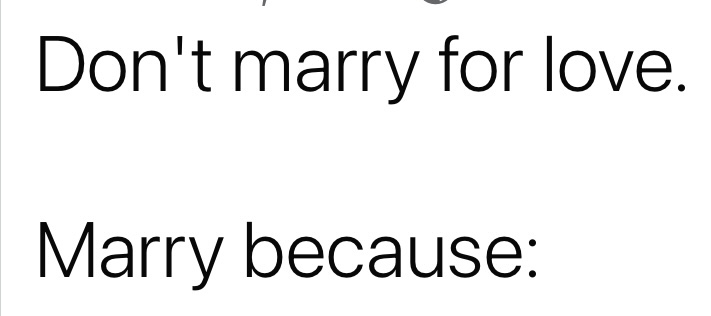
Ok, I’m breaking my recent vow to post no more than 7 things per day on that other site (not counting meme dumps) because despite the many responses to this ^ (above) random post that I noticed on someone’s page, to my horror, not one response I read questioned how “love” was being defined! I’ve often heard people with all good intentions say things like “We all just want to be loved” and it hits my buttons and raises red flags each time, because what we mean by “love” varies by temperament, gender, culture, age, and time. It’s not a simple given that we all want it or if we do, what that would look like and be for us as individuals or a corporate group.
Love isn’t merely “attraction” or “shared interests” or “class” as many seem to have been taught. It also doesn’t exist without “respect,” a word many submitted, but didn’t think to clarify.
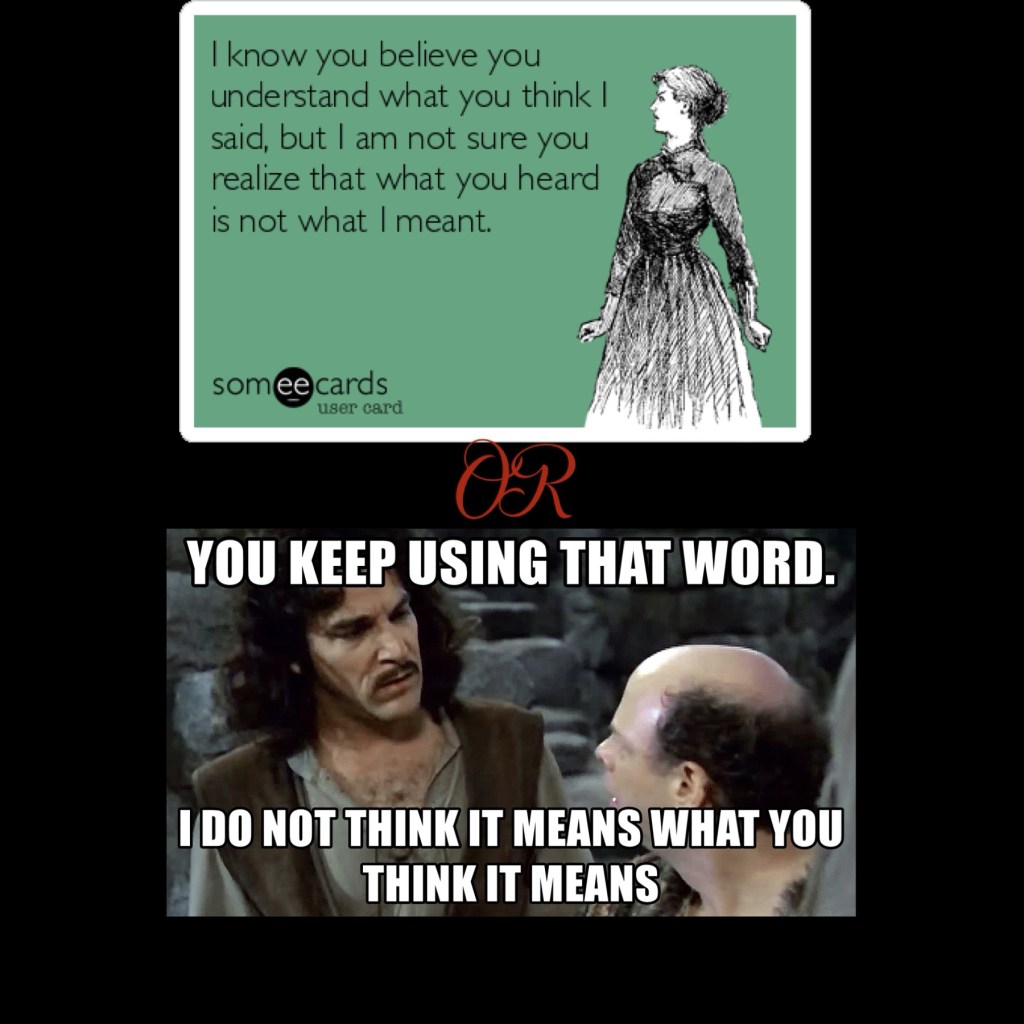
To me, this was yet another example of how people not only misunderstand each other and skim the surface of “meaning,” but also an example of cultural socialization that doesn’t serve our relationships, or help us to understand the systems in which we reside.
Interestingly, it’s another one of those things I always tried to explore in my classes, and it was generally the first time students had ever considered not only the legal, familial, religious, and professional significances of marriage, but the aesthetic and sexual connections to how we understand “love” and “marriage.”
Wittgenstein said “Love is not an emotion. Love is put to the test.” It certainly evokes great amounts of emotion, but it is in fact, a set of relationships and interactions, both personal and communal. And its presentation and reception reflects and confronts the standards, both implicit and explicit, of the particular culture/society. And so do the terms we employ, which means that if we’re not in agreement about how we’re using these terms and we’re relying solely on our own feelings, or political/familial/religious traditions, or other individual contexts, we’re not only in different conversations, we’re weakening relational bonds.
Everyone “misspeaks” at times (notice the original post’s mistake) but if we have an extended relationship with that person we may know their intent or linguistic patterns well enough to fill in the missing or correct word. In those cases we may show grace and it may even become the source of an on-going joke between friends with shared histories.
But what about when you don’t know the speaker? What if they’re in a position of authority/power? Context matters, words matter. I’m not the Grand Poobah of Love, nor do I claim more than personal expertise on that particular subject, (although the song running through my head right now is the first line in the 1962 Exciters song, Tell Him.) I do however, have a good understanding of what words do and how they work in language, as well as the effect of words and word choices on our audience, intended and not.
And I wonder about the intentions of such queries when they go beyond personal amusement. Like it or not, we’re all engaged in a social experiment and research on the social media in our lives. The fact that in theory we can “reach” millions of people around the world in an instant places an increased responsibility to know more and accept “difference” without imposing our parochial views and opinions. It requires us to understand that if we’re going to communicate effectively and negotiate the myriad relationships we might develop through education, business, travel, hobbies, etc. we must first sit down and hash out our a priori beliefs and understandings within the contextual framework we share. It means that the words we use can be fraught with meaning and we must know that as we enter unfamiliar spaces or renegotiate older relationships.
The requirement has always been there, but we have generally ignored it in judging people within our societies, particularly those perceived to be of lower status.
And that’s maybe what “love” might have to do with it, but maybe it’s just the easiest way to establish any relationship and to build communities that serve the greatest number within that society.
 shamamaspeaks